Adding space to your home—whether by building a new room, extending a garage or adding a second floor—can dramatically improve your quality of life. But before you break ground, it’s essential to understand the permitting requirements in the Houston area. This article explains when you need a home addition permit in Houston, how to obtain it and why compliance matters.
Why Permits Are Important
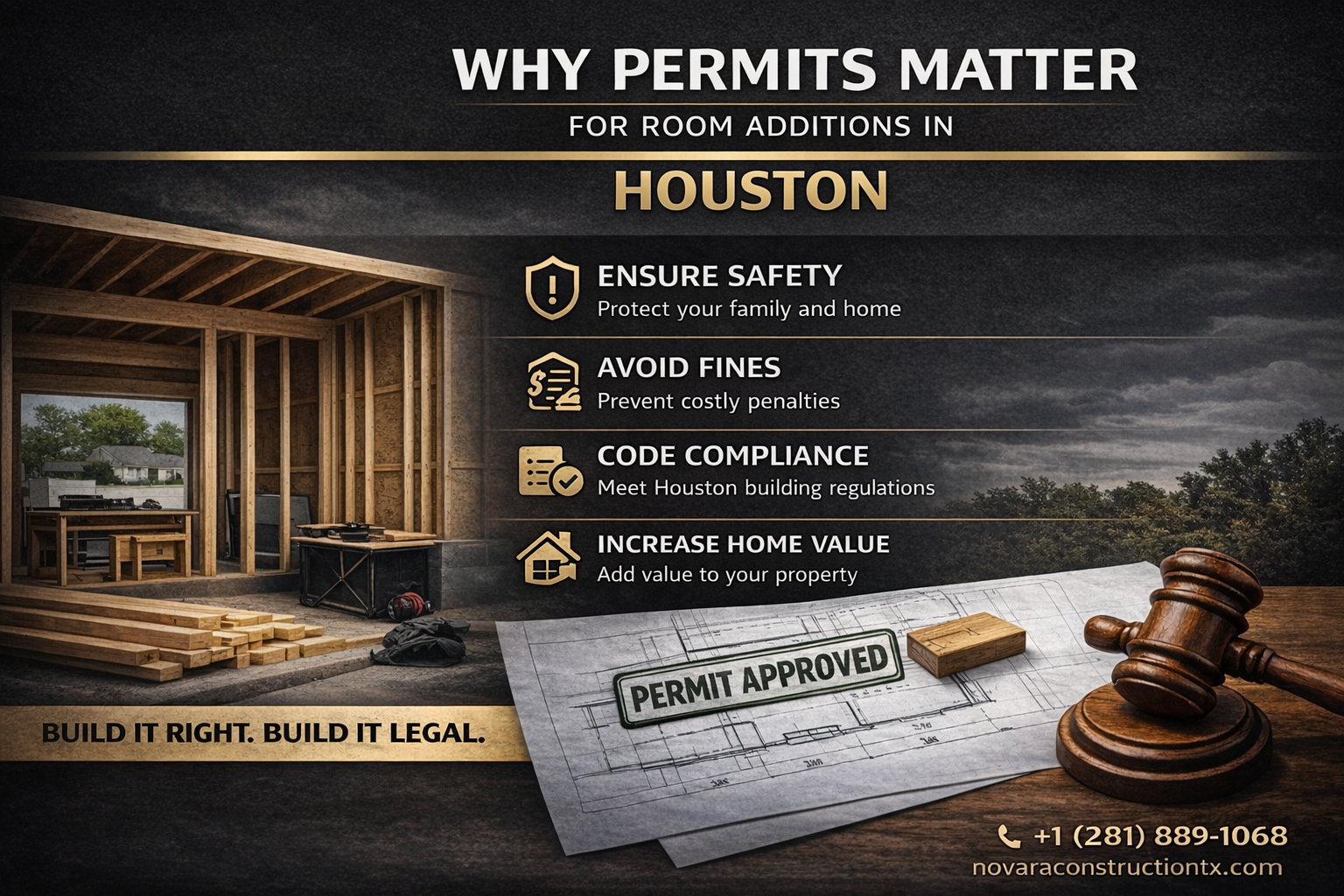
Permits protect homeowners by ensuring that work meets building codes and safety standards. They also safeguard property value and help avoid fines, delays or problems when selling your home. In Houston, the city’s Building Code Enforcement division oversees permitting for residential projects.
Projects That Require Permits
Generally, you will need a permit for:
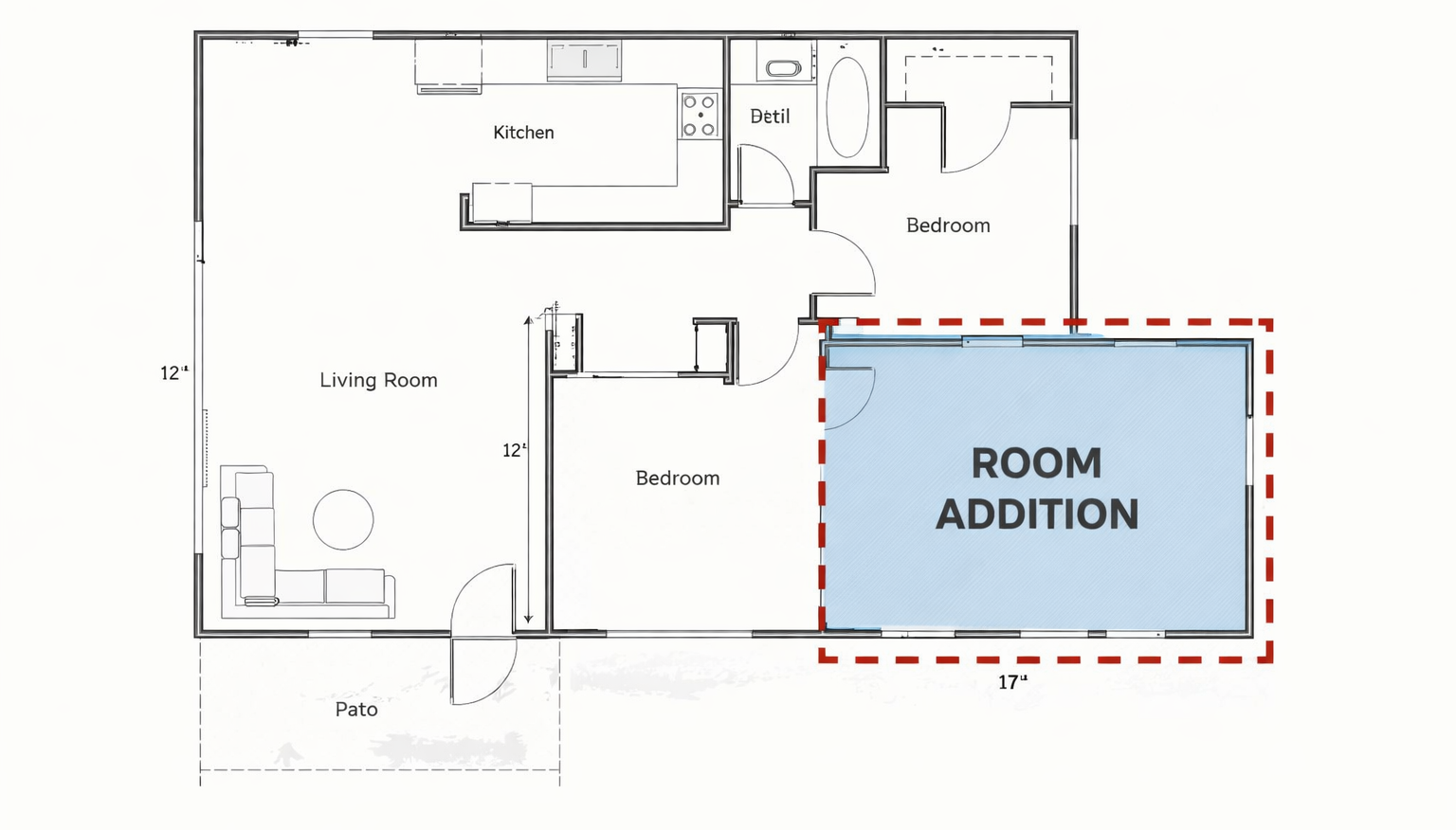
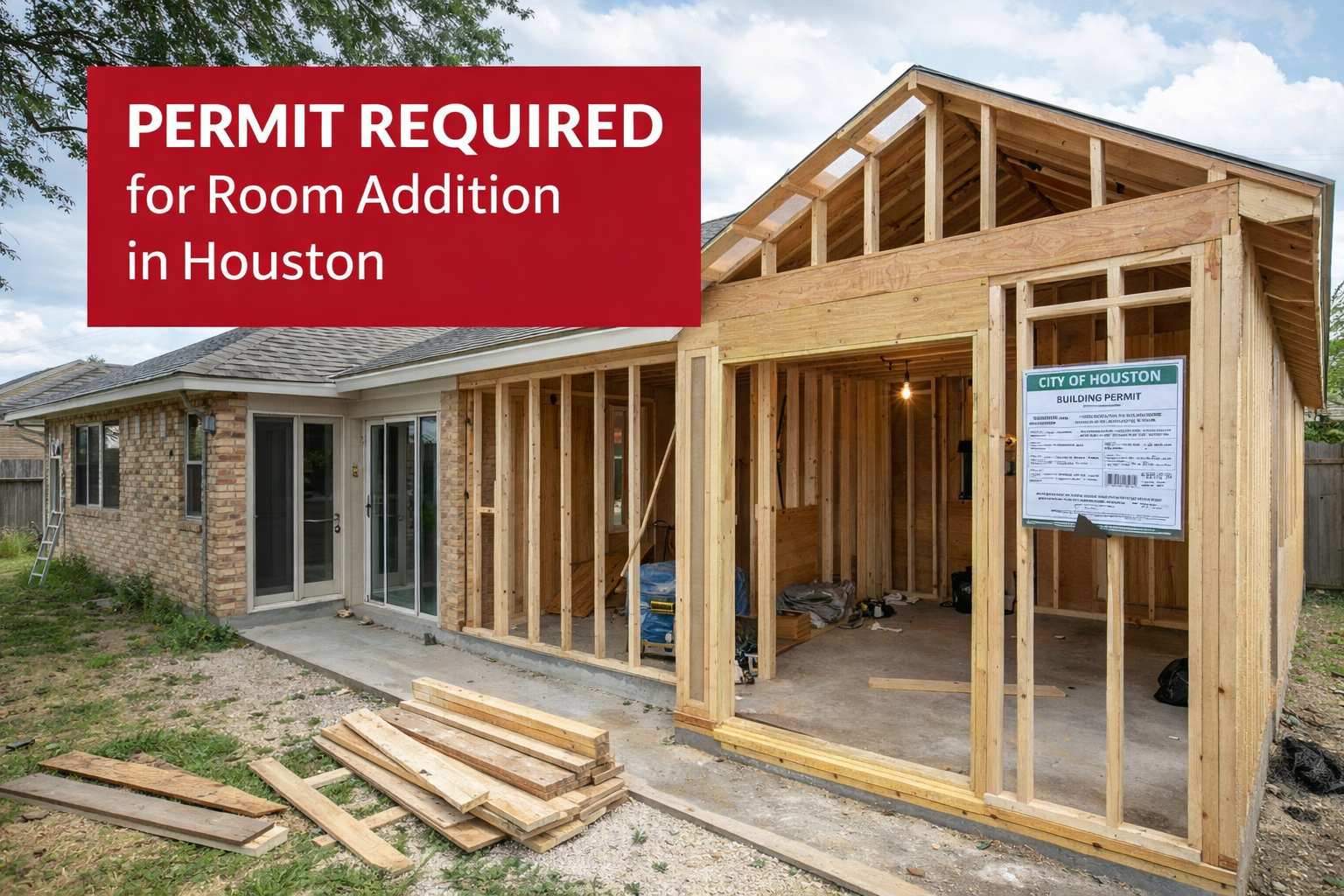
- Room additions – Expanding your living room or adding a new bedroom, sunroom or office typically requires plan approval. This includes any structural changes to load‑bearing walls.
- Second‑story additions – Raising the roof to create an extra floor requires engineering and structural review.
- Garage or carport conversions – Changing use from storage to living space or adding a new carport involves electrical, plumbing or HVAC modifications.
- Accessory structures – Decks, porches, gazebos or sheds over 200 square feet usually need permits. Smaller structures may also require approval if they’re attached to the main building.
- Structural or foundation work – Significant foundation repair or reinforcement is subject to inspection.
Minor cosmetic changes (painting, flooring replacement, cabinet installation) generally do not require permits. However, always check local guidelines to confirm.
The Permitting Process
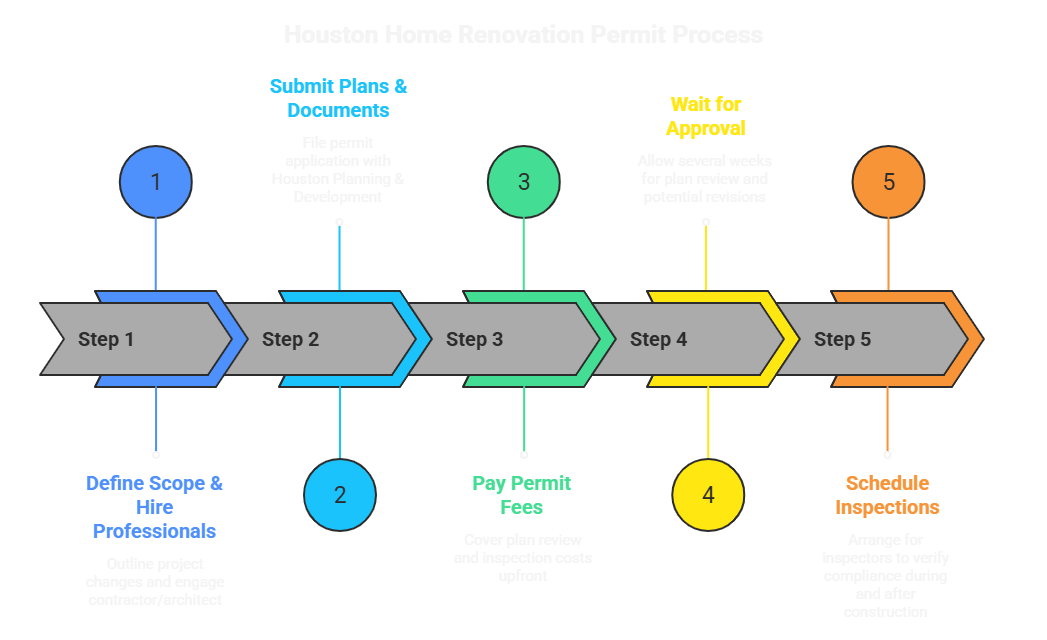
- Determine project scope – Outline your proposed changes and identify which trades (plumbing, electrical, HVAC) are involved. Hire a qualified contractor or architect to draft plans.
- Submit plans – Complete the appropriate permit application via Houston’s Planning & Development Department. Include site plans, construction drawings and any engineering calculations. In some cases, a survey of the property may be needed.
- Pay fees – Permit fees vary based on project size and type. Expect to pay plan review and inspection fees up front.
- Wait for approval – Plan review can take several weeks. During busy periods, you may experience longer wait times. If changes are needed, revise and resubmit promptly.
- Schedule inspections – Once construction begins, inspectors will verify that work complies with the approved plans. Final inspections are required before occupancy.
Consequences of Skipping Permits
Building without required permits can lead to fines, stop‑work orders and difficulties obtaining insurance. Unauthorized work may need to be demolished if it fails to meet code, costing more in the long run. When selling your home, unpermitted additions can complicate appraisal and closing.
Tips for a Smooth Approval
- Consult professionals – Hire contractors experienced with Houston permitting. They can prepare accurate documents and anticipate reviewers’ questions.
- Stay organized – Keep copies of submitted forms, permit numbers and inspection reports. Monitor the permit portal for updates.
- Communicate with neighbors – Large additions may impact neighbors’ views or property lines. Early conversations can help avoid disputes.
Understanding local regulations will streamline your home expansion and protect your investment. For assistance navigating the permitting process, contact Novara Construction & Remodeling—we’ll guide you from concept through completion.
home addition permit Houston, room addition regulations Texas, building permit in Houston, Houston second story addition permit, Houston building codes