Luxury vinyl plank and porcelain tile compared for Houston slab homes — moisture, flooding, heat, pets, cost and install time.
Both luxury vinyl plank (LVP) and porcelain tile handle Houston humidity and slab moisture well. Porcelain tile is the most durable and water-proof option and stays cool underfoot, but it costs more to install and takes longer. LVP is warmer, quieter, softer on joints, quicker to install and usually less expensive, but it can dent and is more easily damaged by prolonged flooding or intense sun. For kitchens, baths and entries, tile; for bedrooms and living areas, LVP is a strong value.
Moisture and Houston slabs
Most Houston-area homes sit on concrete slabs that can transmit moisture. Porcelain tile set in thinset is unaffected. Rigid-core LVP is waterproof on top, but a moisture test and the right underlayment still matter to prevent mold under the planks.
Flooding and water events
After a flood, porcelain tile can often be cleaned and kept. Floating LVP usually has to be lifted so the slab can dry, and is frequently replaced. In flood-prone areas, tile is the more resilient choice.
Comfort, sound and pets
LVP is warmer and quieter underfoot and easier on knees. Tile is cool in summer — a plus in Houston — and resists pet claws completely. Quality LVP with a thicker wear layer also handles pets well.
Cost and install time
LVP is generally less expensive and much faster to install. Tile costs more in labor, especially large-format tile, which needs a flatter slab and more prep.
Which to choose, room by room
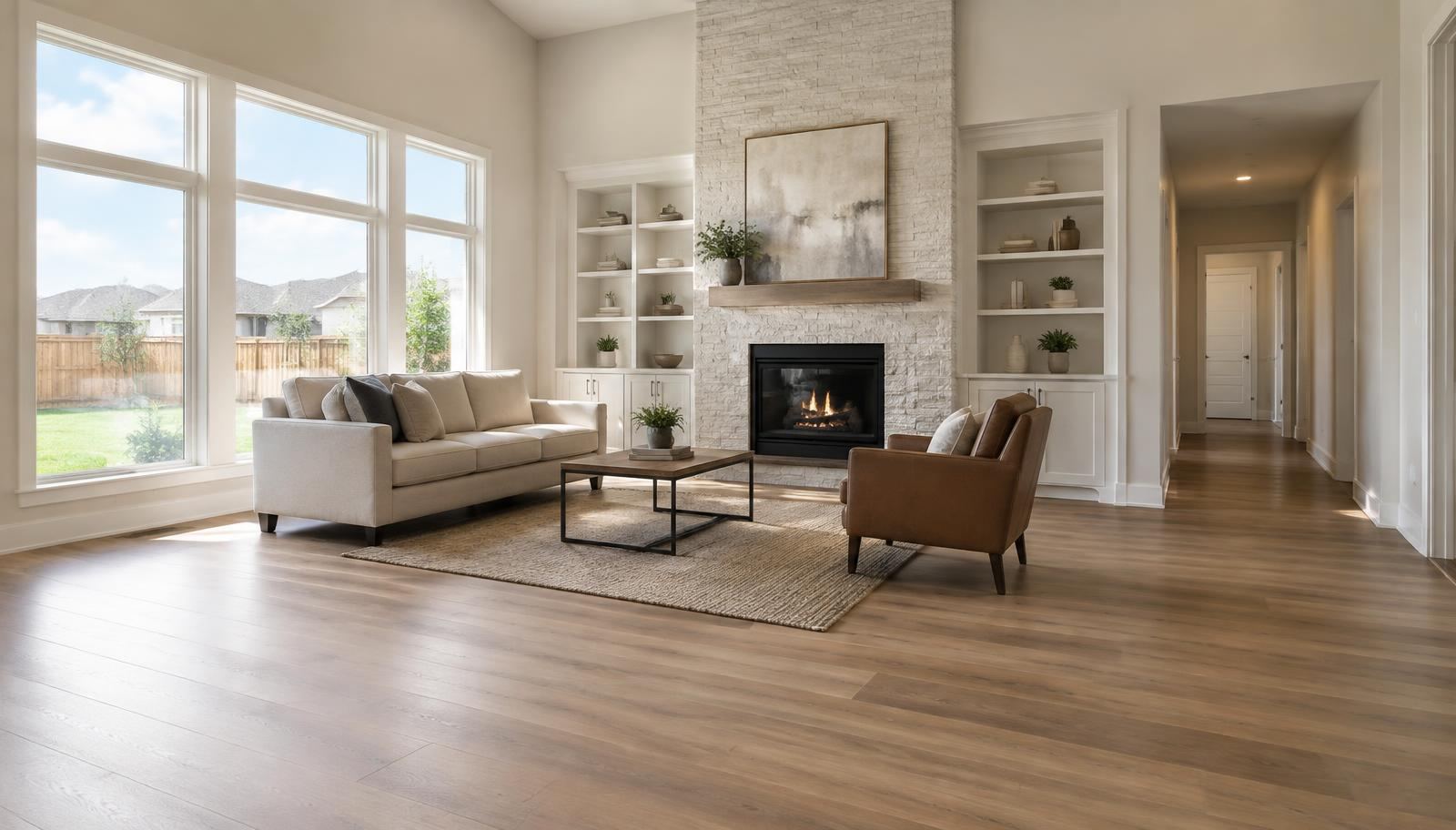
Kitchens, baths, laundry and entries: porcelain tile. Bedrooms, living rooms and game rooms: LVP. Many Houston homes use both with clean transitions, or one LVP throughout for a continuous look.
Ready to price your project? Describe it on our project request page or call (281) 889-1068. Novara Construction serves Houston, Katy, Sugar Land, The Woodlands, Cypress, Pearland and Spring, and replies within one business day.
LVP vs porcelain tile
| Factor | LVP | Porcelain tile |
|---|---|---|
| Water resistance | Waterproof surface | Waterproof |
| After a flood | Usually lifted / replaced | Often salvageable |
| Feel | Warm, quiet, softer | Cool, hard |
| Scratch / dent | Can dent | Very resistant |
| Install time | Faster | Slower |
| Relative cost | Lower | Higher |
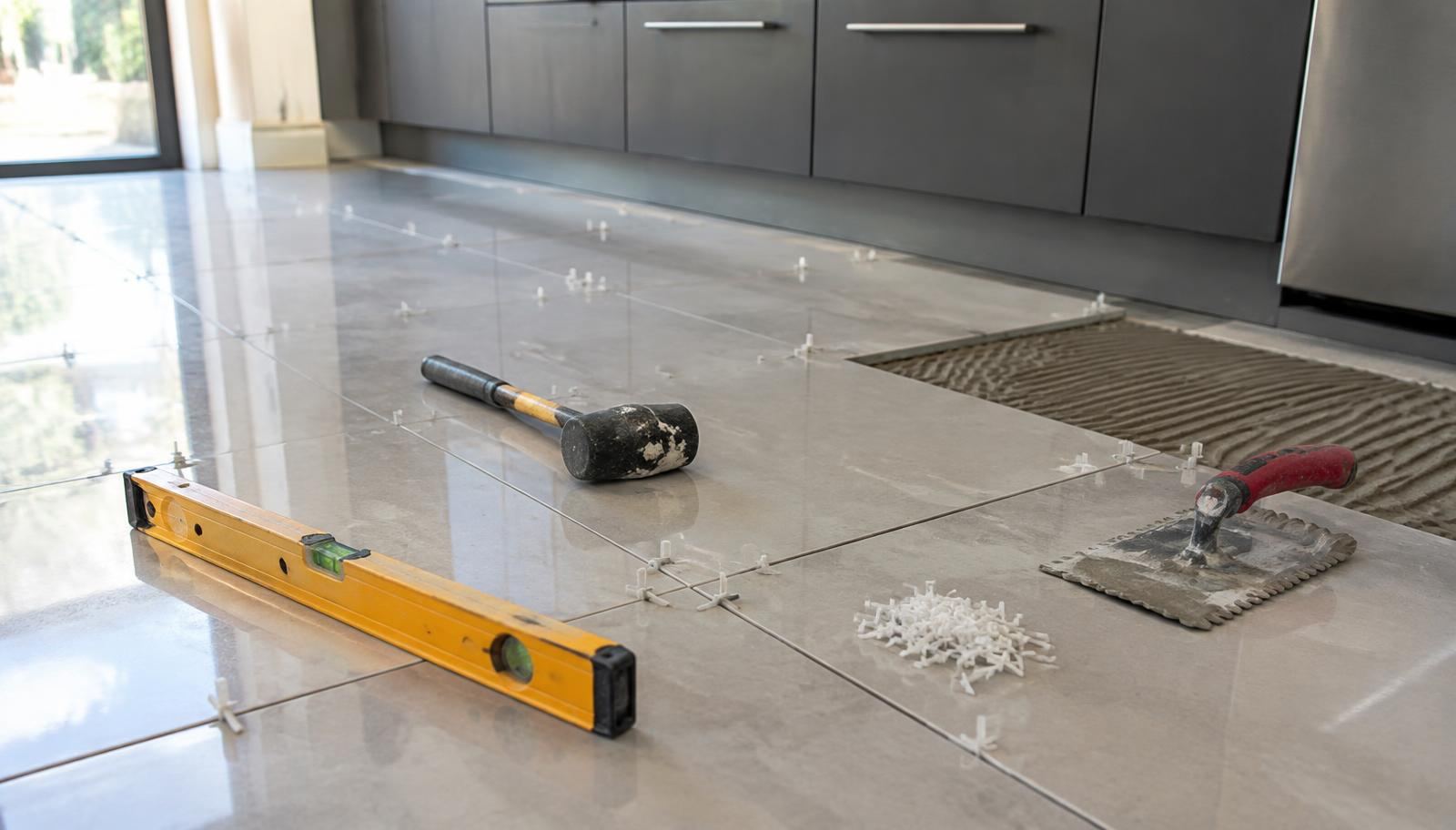
In pictures
Frequently asked questions
- Is LVP good for Houston humidity?
- Yes. Rigid-core LVP isn't affected by humidity, though slab moisture should still be tested before installation.
- Is tile or LVP better for resale?
- Both are well accepted by Houston buyers. Consistent, quality flooring matters more than the choice between them.
- Can LVP go over existing tile?
- Sometimes, if the tile is flat and solid, but height changes at doors and transitions must be checked.
- How long does installation take?
- LVP in a typical home takes days; tile often takes one to two weeks depending on area and prep.
Related services and areas
Thinking about a project like this?
Tell us about your space and goals — we'll follow up with a free consultation.
Describe your project