Which projects need a permit in the Houston area, who issues it, how long it takes, and what happens if you skip it.
In the Houston area, permits are required for structural changes, additions, electrical and plumbing modifications, HVAC replacement, roofing, and any change of occupancy — but generally not for painting, flooring, cabinet replacement, or like-for-like fixture swaps. Who issues the permit depends on your address: City of Houston, unincorporated Harris, Fort Bend, or Montgomery County, or an independent city like Bellaire, West University Place, Sugar Land, or Katy. Novara Construction handles permitting end to end across Greater Houston — (281) 889-1068.
What needs a permit
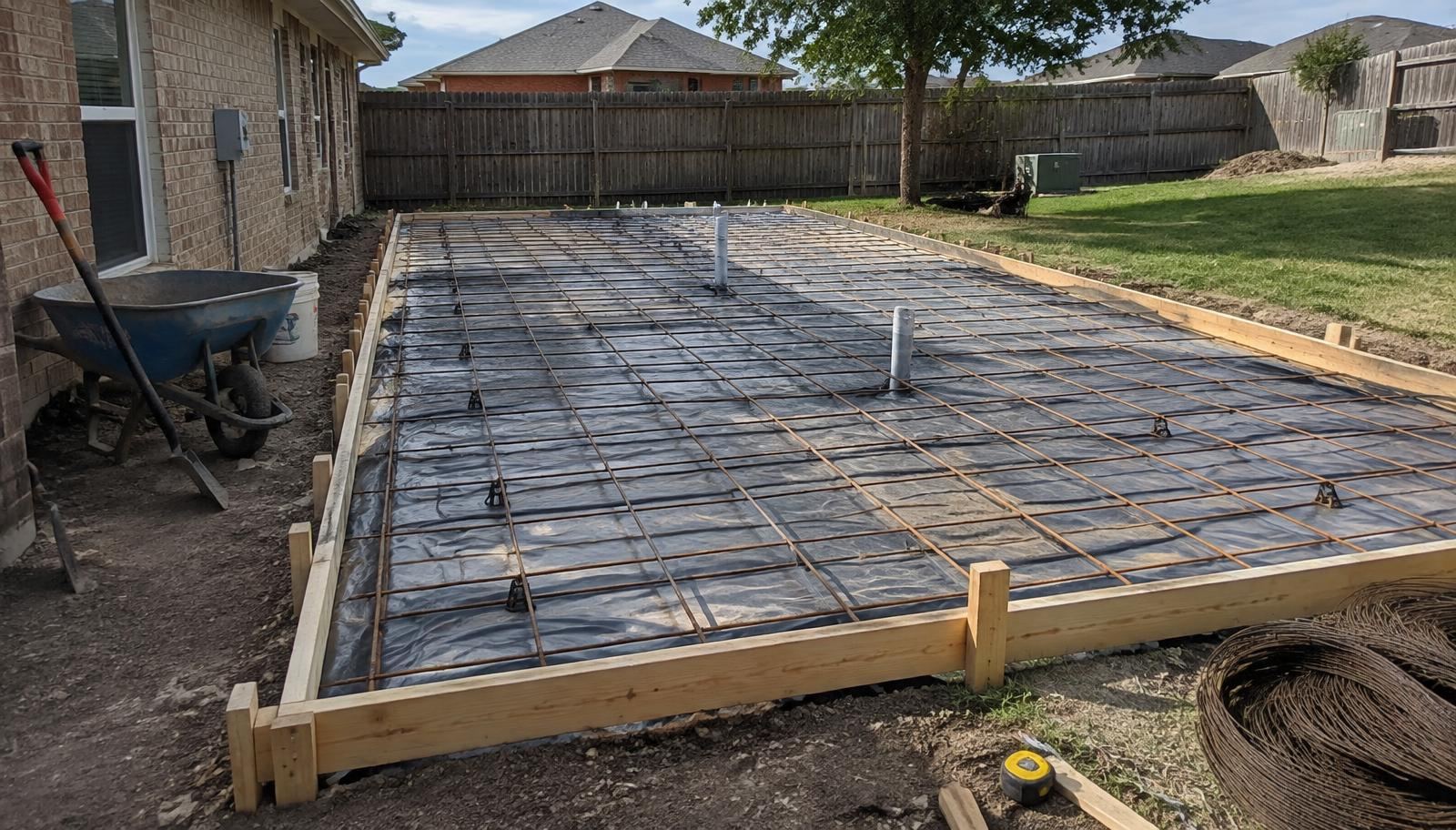
You need a permit for: adding or removing walls (especially load-bearing), any addition or enclosure that adds conditioned space, new or relocated electrical circuits and panel work, plumbing relocations and new fixtures, water heater and HVAC replacement, re-roofing, window openings that change size, foundation repair, driveway and culvert work, and swimming pools.
You generally do not need a permit for: paint, flooring, cabinet and countertop replacement in the same footprint, like-for-like fixture swaps, drywall repair, and cosmetic trim work.
The gray zone is the kitchen or bath remodel that 'is just cosmetic' until the electrician adds three circuits and the plumber moves a drain. In practice, most real remodels cross into permit territory.
Who issues your permit
City of Houston addresses permit through the Houston Permitting Center, which handles building, electrical, plumbing, and mechanical trades separately. Historic district properties add a Certificate of Appropriateness through the Houston Archaeological and Historical Commission for exterior work.
Unincorporated Harris County does not enforce a residential building code the way a city does, but it does regulate floodplain development, driveways and culverts, on-site septic, and pools through Harris County Engineering and the Permit Office.
Independent municipalities enforce their own codes: Bellaire, West University Place, Southside Place, Sugar Land, Missouri City, Pearland, Katy, League City, Friendswood, and the Memorial villages each have their own building department. Fort Bend County and Montgomery County cover unincorporated areas in their jurisdictions, and The Woodlands adds covenant review through the Development Standards Committee.
How long it takes
Simple trade permits are often same-week. A residential remodel or addition submitted to the City of Houston commonly takes 2–6 weeks depending on review load and whether comments come back. Suburban cities can be faster or slower; historic review and floodplain review add time on top.
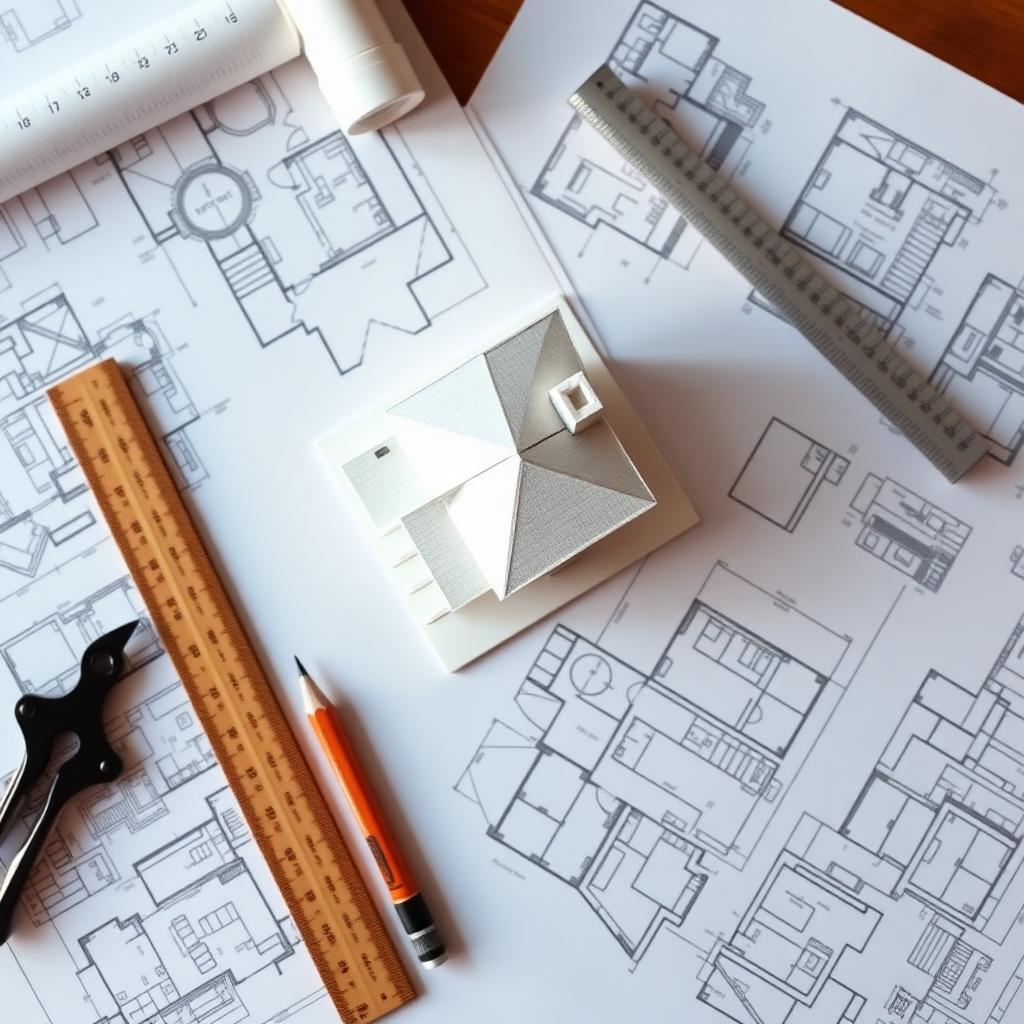
The most common delay is not the city — it is an incomplete submittal. Complete drawings, an engineer's letter where structure changes, and a correct site plan move applications through in one pass instead of three.
Floodplain and substantial improvement
If your home is in a mapped floodplain, renovation value matters. When the cost of improvement reaches a defined percentage of the structure's value, the work is treated as substantial improvement and the home may be required to meet current elevation standards.
This catches people mid-project. Check the flood zone and the substantial improvement threshold before you scope the renovation, especially along Buffalo Bayou, Brays Bayou, White Oak, Cypress Creek, and Clear Creek.
What happens if you skip the permit
Three things, in increasing order of pain: a stop-work order and double permit fees; an insurance claim denied because unpermitted work contributed to a loss; and a failed sale, when the buyer's inspector or title work finds unpermitted square footage and the appraiser refuses to count it.
Unpermitted additions are the single most common reason Houston home sales fall apart late. Retroactive permitting is possible but expensive — walls get opened so inspectors can see what is behind them.
How we handle it
Permitting is part of our scope, not your homework. We prepare the drawings, engage the structural engineer where required, submit the application, respond to plan review comments, schedule inspections, and close the permit out at the end — which matters, because an open permit is as much of a sale problem as no permit at all.
Frequently asked questions
- Do I need a permit to remodel a kitchen or bathroom in Houston?
- If the work is limited to cabinets, counters, flooring, and like-for-like fixtures, generally no. Once you add or move electrical circuits, relocate plumbing, or change walls — which most real remodels do — a permit is required.
- Does unincorporated Harris County require building permits?
- Harris County does not enforce a residential building code like a city does, but it does permit floodplain development, driveways and culverts, septic systems, and pools. Independent cities inside the county have their own full permitting.
- How long does a Houston remodeling permit take?
- Trade permits are often issued within days. Residential remodel and addition permits typically take 2–6 weeks, with historic or floodplain review adding more.
- What is substantial improvement?
- In floodplain areas, when renovation cost reaches a set percentage of the structure's value, the project is classified as substantial improvement and the home may be required to meet current elevation requirements.
Related services and areas
Thinking about a project like this?
Tell us about your space and goals — we'll follow up with a free consultation.
Describe your project